

Early-Stage Startup Challenges: How Coworking Spaces Fuel Innovation and Community Driven Growth
Discover the top challenges early-stage startups face, funding, product-market fit, hiring, and scaling and how co-working spaces and startup communities help founders build innovative, resilient businesses.
Launching a startup is an exciting journey filled with dreams, creativity, and drive. It's also a path filled with obstacles that can challenge even the most determined entrepreneurs. In the early stages especially, startups encounter a unique set of difficulties and increasingly, founders are turning to co-working spaces and collaborative startup communities to help them navigate these hurdles. In this post, we'll explore the most common challenges facing early-stage startups and share strategies for managing them, with a look at how the right collaboration space can accelerate innovation along the way
1. Limited Funding and Tight Budgets
One of the biggest hurdles for early-stage startups is limited funding. During this stage, you often have to operate on a tight budget, which means every decision counts. To tackle this challenge, focus on being thrifty and strategic with your spending:
Create a detailed budget and revisit it regularly
Explore funding options such as angel investors, venture capital, or crowdfunding
Consider bootstrapping to build long-term sustainability
Cut fixed overhead, for example, choosing a flexible co-working space over a traditional long-term office lease
Being resourceful with every euro (or dollar) you have is what separates startups that survive their first year from those that don't. A shared workspace is one of the simplest ways to reduce fixed costs while still giving your team a professional base to work from.
2. Finding Product-Market Fit
Finding the perfect product-market fit can feel like searching for a needle in a haystack during the early stages. You may need to make adjustments or even pivot your business model as you gain more insight into your target audience. To tackle this challenge head-on:
Conduct comprehensive market research
Actively seek customer feedback early and often
Remain open to adaptability and iteration
Tap into a startup community for honest, real-world feedback from other founders who've been there
Being embedded in an innovation-focused community means you're never testing your ideas in a vacuum. Feedback from fellow founders, mentors, and industry peers can help you validate, or rethink, your product faster than working in isolation.
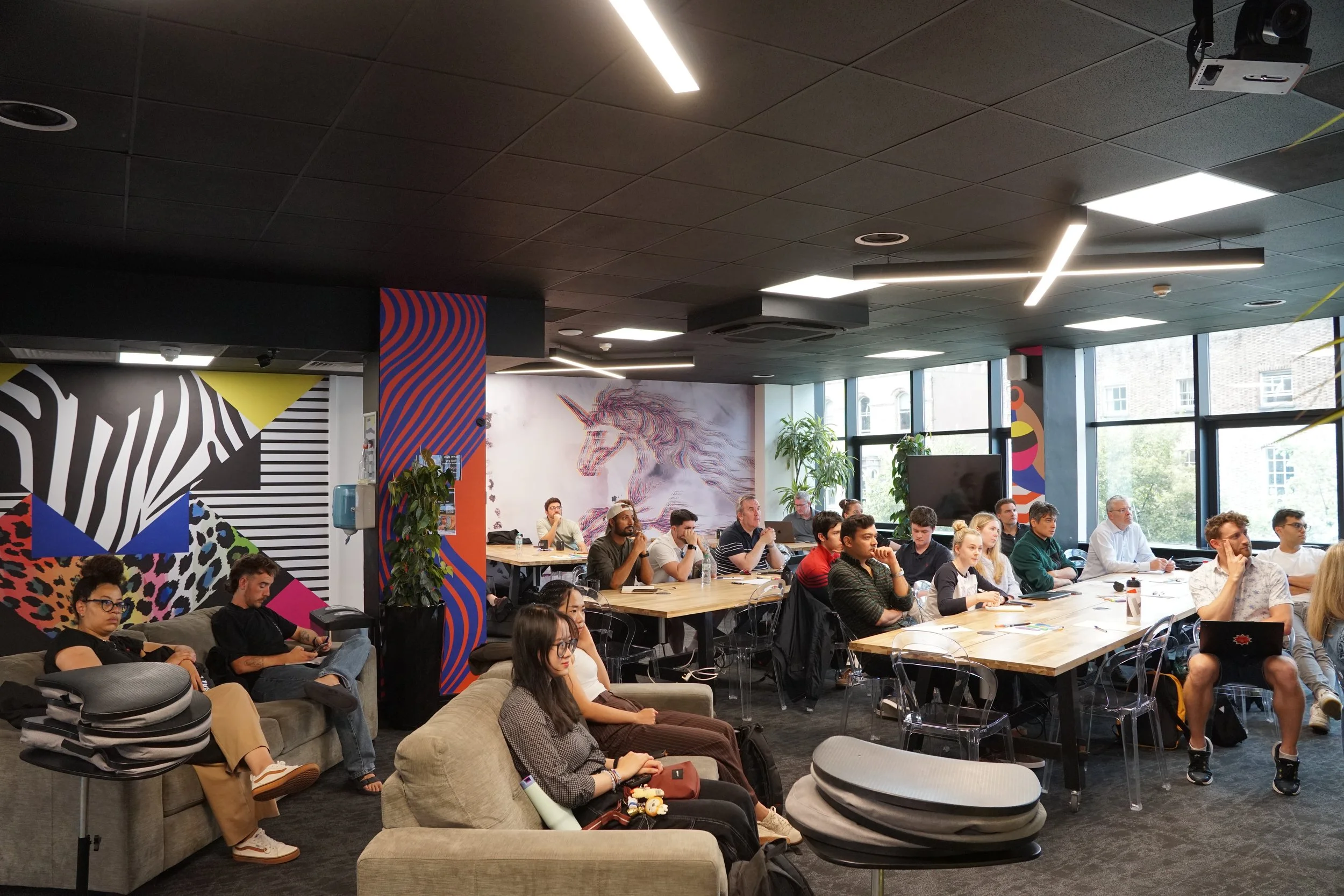
How Republic of Work, co-working and innovation hub supports startup communities and founders build innovative, resilient businesses
3. Building a Skilled, Motivated Team
Building a skilled and motivated team is a significant challenge for early-stage startups. Attracting top talent without extensive resources can be tricky. To address this challenge:
Be transparent about your mission and values
Offer competitive equity packages
Tap into personal networks and industry connections for potential hires
Use a co-working space to meet and recruit from a built-in pool of driven, entrepreneurial talent
Many founders find their first hires, co-founders, or freelance collaborators simply by being part of an active co-working community — proof that a collaborative environment can double as a recruitment engine.
4. Knowing When and How to Scale
Early-stage startups often face the dilemma of when and how to scale. Scaling too quickly can strain your resources, while scaling too slowly can mean missed opportunities. To manage this challenge:
Develop a measured growth strategy aligned with your resources and market demand
Monitor key performance indicators (KPIs) closely
Adjust your strategy as new data comes in
Choose a flexible workspace that can scale with your headcount, rather than locking you into a fixed footprint
5. Standing Out in a Crowded Marketplace
Standing out in a crowded marketplace is a real challenge for early-stage startups, but there are effective ways to tackle it:
Develop a strong brand identity and a clear value proposition
Invest in content marketing, digital advertising, and social media strategies
Maintain consistency in your messaging
Stay flexible and adapt your approach as you learn what resonates with customers
Leverage community events and networking opportunities within your co-working space to build word-of-mouth momentum
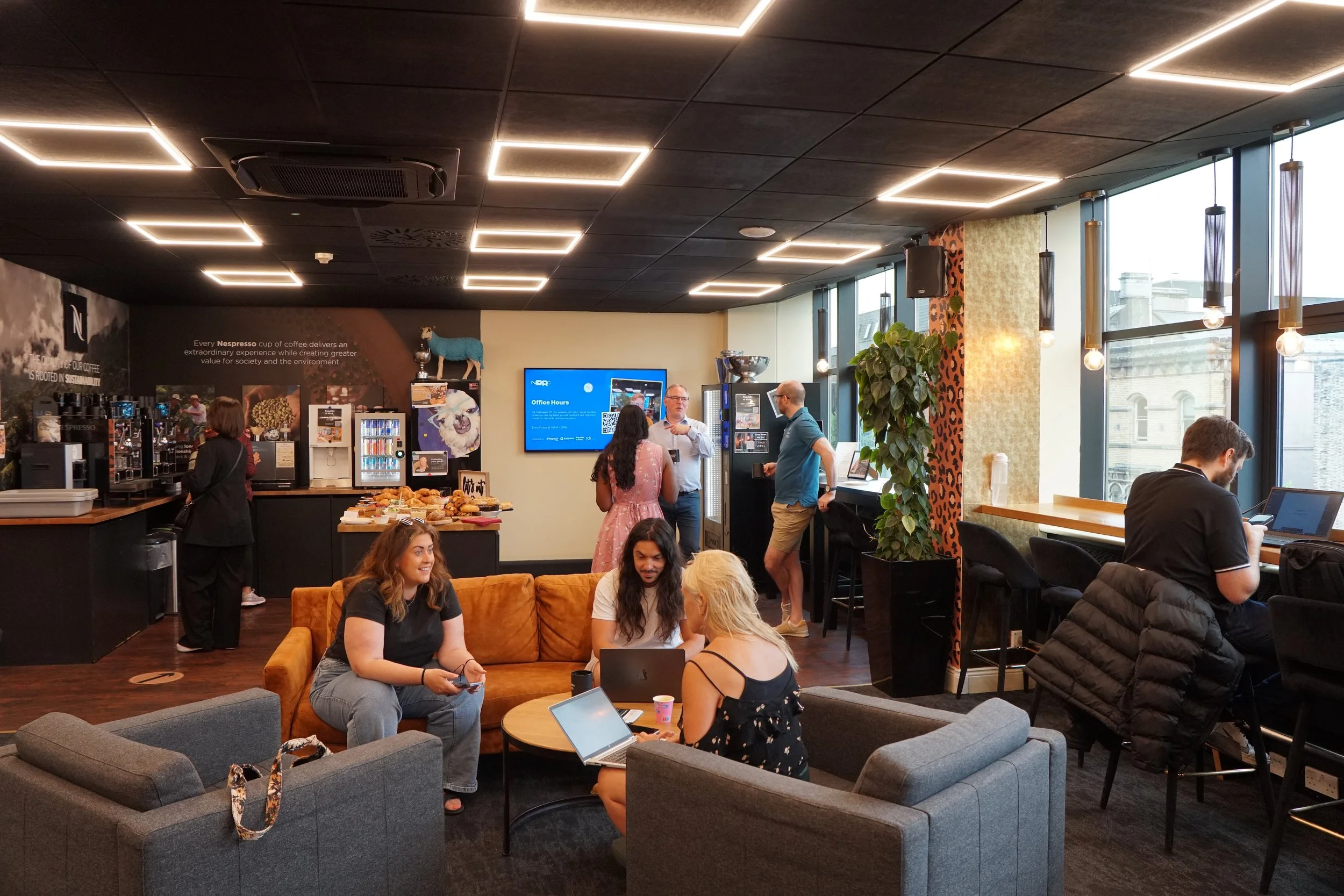
Leverage Republic of Work monthly community and startup events and networking opportunities
6. Navigating Legal and Regulatory Compliance
Navigating legal and regulatory compliance can feel daunting for any early-stage startup. To manage this:
Seek guidance from legal experts
Stay up-to-date with relevant regulations
Establish reliable internal processes to guarantee compliance
Consult with legal counsel early on to avoid costly obstacles down the road
7. Avoiding Founder Burnout
The entrepreneurial journey can be demanding, often leading to founder burnout. To manage this challenge:
Maintain a healthy work-life balance
Delegate tasks as your team grows
Seek support when needed; from mentors, peers, or a wider startup community
Surround yourself with a community that understands the pressures of building a business, so you're never navigating the hard days alone
Your well-being is essential to your startup's success. Founders who build a strong support network, whether through mentors, co-founders, or a co-working community, are far better equipped to sustain the energy startups demand.

Get Involved in our Startup Community That Supports Your Growth
Get Involved in a Startup Community That Supports Your Growth
If you're an early-stage startup founder, embrace these challenges as part of your entrepreneurial journey. Overcoming them is a true testament to your resilience and creativity. While the path to success may be challenging, it's also incredibly rewarding, especially when you don't have to walk it alone.
You're always welcome to pop into us here at Republic of Work if you need guidance, mentorship, or simply want to connect with a community of founders navigating the same journey. Our co-working space is built to support collaboration, innovation, and the kind of community that helps early-stage startups thrive.
