

Why resilience and flexibility define success in 2026.
Resilience isn't "Toughing it Out”. It's a strategic pivot here’s what David Gillick taught us about bouncing back.
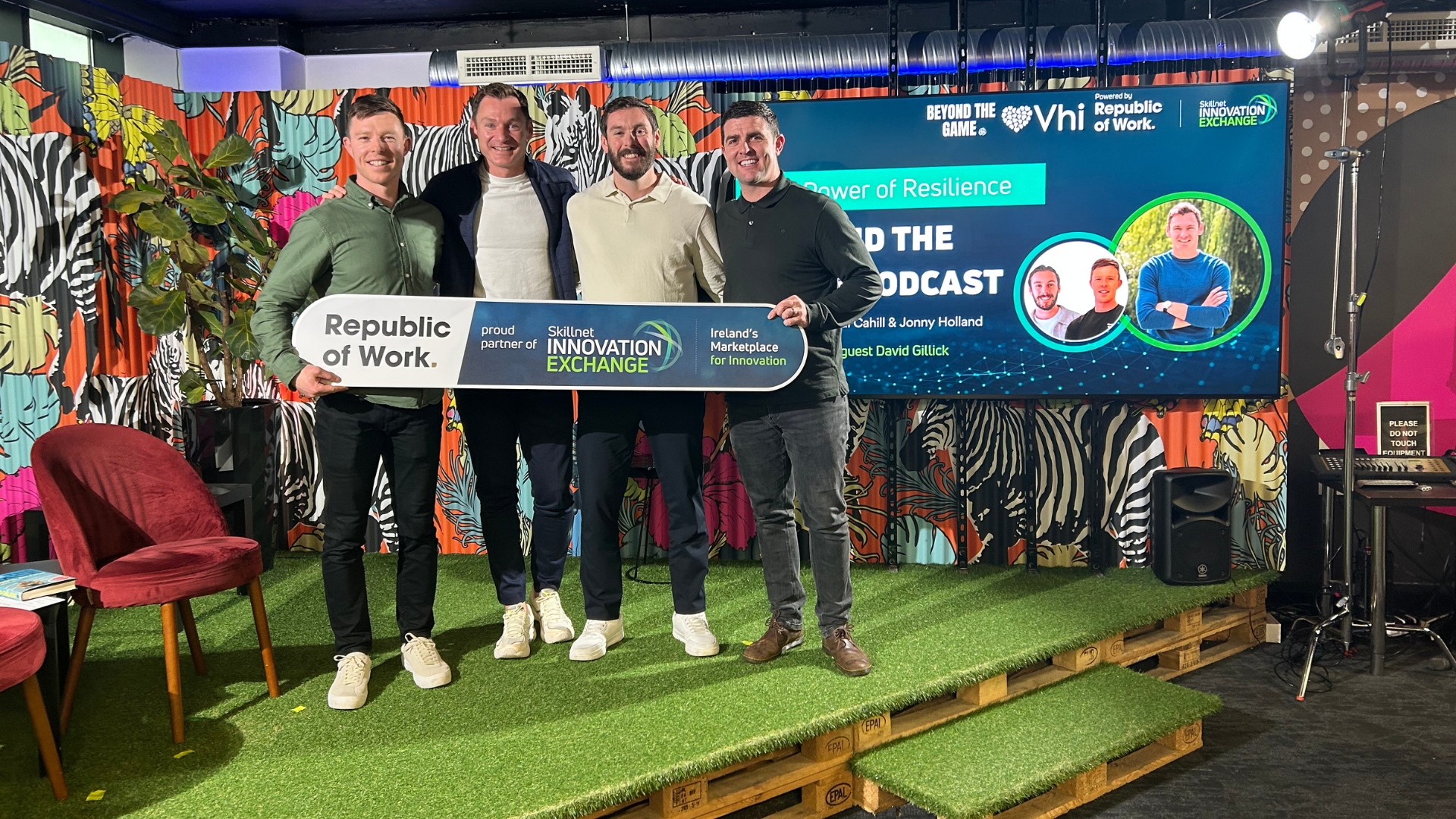
Jonny Holland and Paul Cahill shared the stage with David Gillick for Republic of Work’s first live audience Beyond The Game podcast.
In the world of elite athletics, failure isn't a disaster… it’s data. When a sprinter misses the podium by a hundredth of a second, they don't just walk away; they analyze, adapt, and return with a more resilient mindset.
Recently, at a live Beyond The Game podcast event hosted at Republic of Work, we dove deep into what happens when the structures of elite sport fall away and how that transition mirrors the rapid shifts we are seeing in the corporate world today.
The takeaway was clear: Innovation isn't just a strategy; it’s a mindset test.
Redefining the "Office" as a performance hub
In 2026, the traditional 9-to-5 is no longer the standard for high performance. Just as athletes need the right environment to train, modern teams need hybrid working models that support both focus and collaboration.
Flexi-working is no longer a "perk”, it is a critical component of work-life balance. By utilizing hot-desking and professional co-working spaces, companies are giving their employees the autonomy to choose an environment that matches their task. Whether it's a high-energy collaborative zone or a quiet corner for deep work, the physical space is the foundation of well-being.
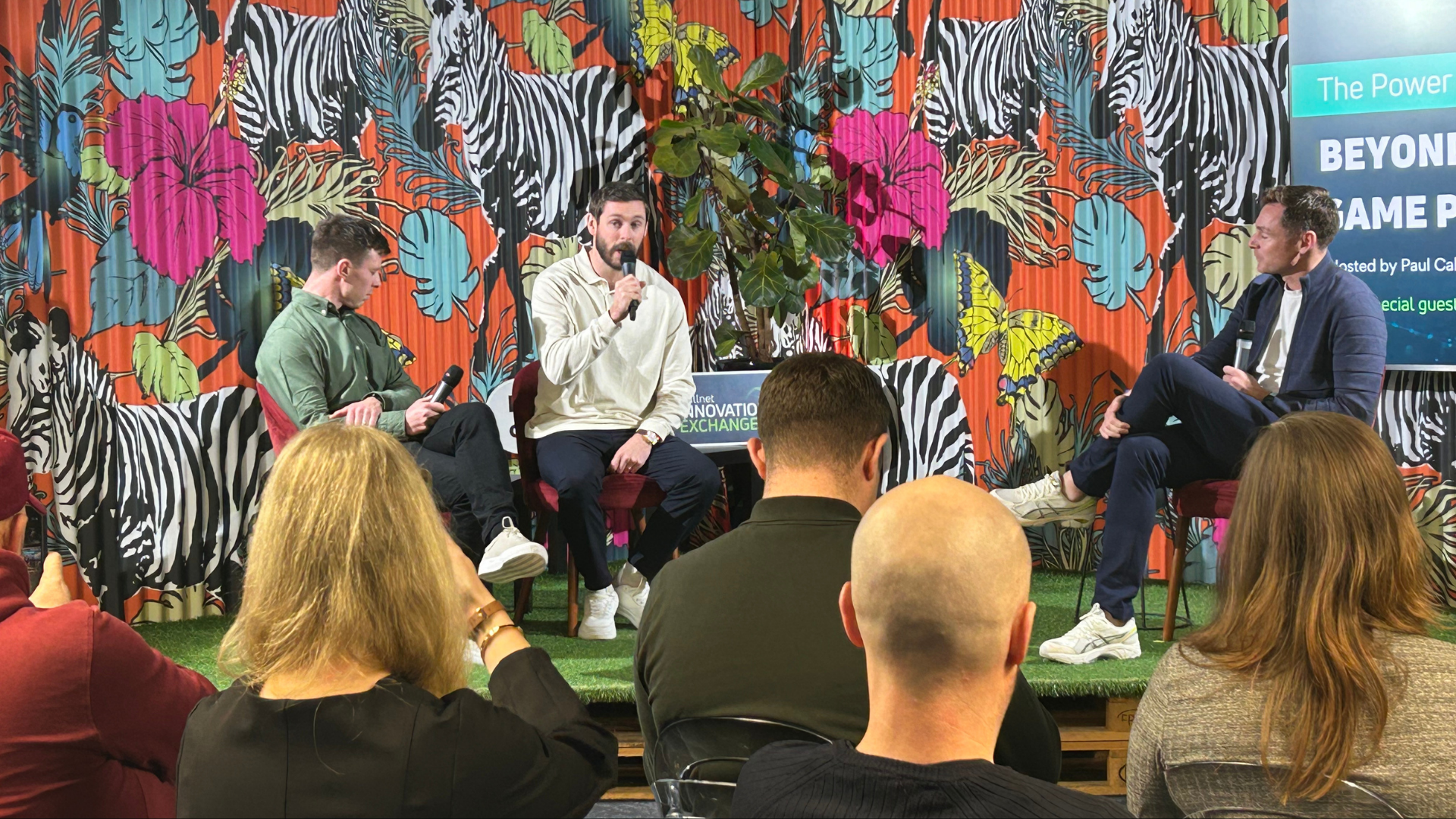
Live recording of the Beyond the Game podcast alongside our friends at Skillnet Innovation Exchange and VHI.
Resilience: the price of innovation
We often talk about innovation as a linear path to success, but as David Gillick highlighted, the reality is far messier. Ideas rarely work the first time. In business, as in sport, resilience is what keeps you in the game after a setback.
When organizations embrace flexi-working, they are actually building institutional resilience. They are creating a culture that trusts its people, adapts to change, and prioritizes output over "presenteeism." This flexibility acts as a buffer against burnout, ensuring that teams stay energized and ready to pivot when challenges arise.
Balancing performance with wellbeing
The parallel between business and sport is most striking when we look at recovery. No athlete can stay at peak performance 24/7. Similarly, corporate leaders must integrate well-being into the structural design of the workday.
By moving away from rigid office requirements and toward co-working ecosystems, businesses can offer:
Social Connection: Breaking the isolation of remote work.
Professional Boundaries: Creating a clear distinction between home life and work life.
Creative Collision: Opportunity for "accidental" innovation through networking with other industries.
Beyond the Game: Preparing for 2026
We wanted to bring this podcast to life to translate the lessons of elite sport into actionable strategies for organizations. If your team is looking to master the art of the hybrid working transition or build a culture of evidence-based resilience, the time to act is now.
Failure isn't a risk, it’s the price of learning. The only true risk is staying still while the world of work moves forward.
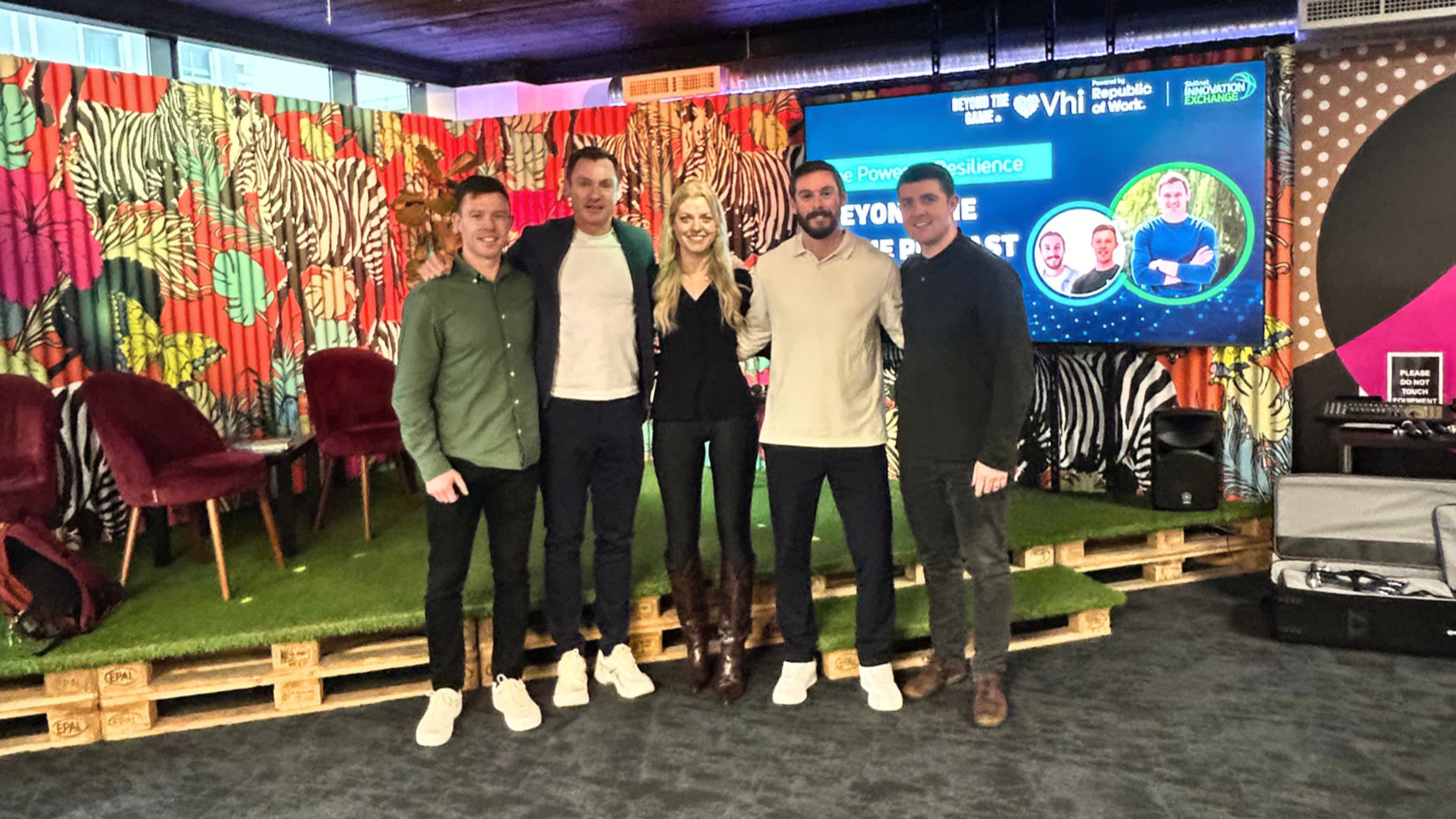
Special thanks to our sponsors: Skillnet Innovation Exchange, Anne-Marie Brophy, Vhi, Frank Brennan, and the incredible team at Republic of Work.
Ready to elevate your team’s well-being and performance?
Our upcoming events and workshops help teams navigate the transition to hybrid working, ensuring that resilience is built into their daily routine. Pair these sessions with our Corporate Staff Passes to give your employees the ultimate space for focus, collaboration, and professional growth.
Would you like to see our 2026 Corporate bundles including workshop details and staff pass options?
